
 Australia
 Canada
 Cayman Islands
 Dominican Republic
 Hong Kong
 India
India
 Indonesia
 Ireland
 Jamaica
 Singapore
 Thailand
 United Kingdom
 United States
 Vietnam

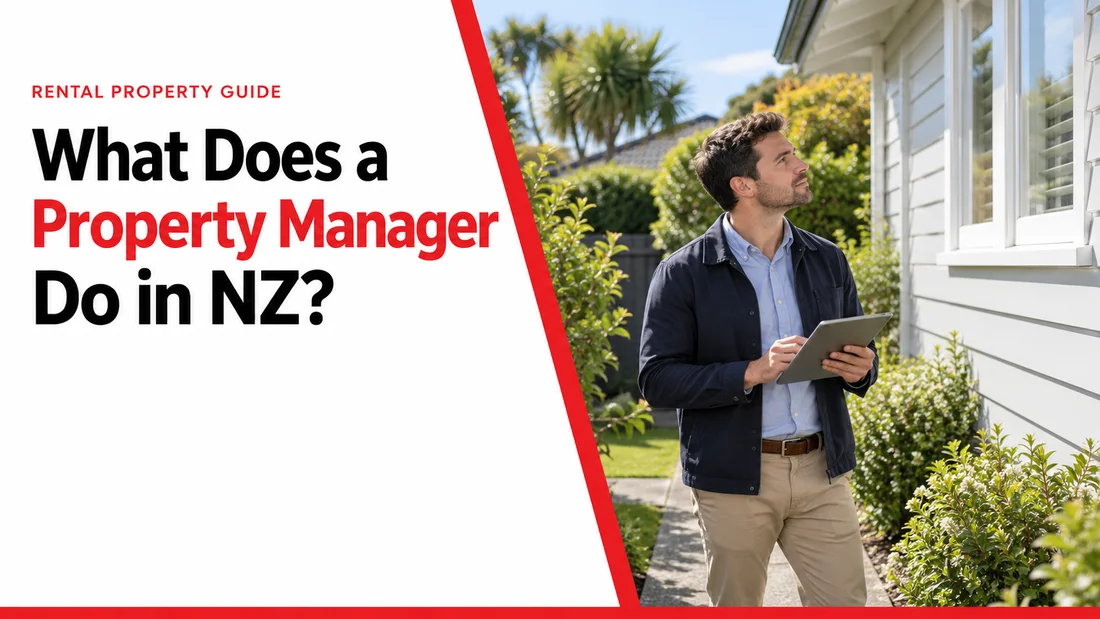
A property manager handles the everyday work involved in renting out a home on behalf of its owner. That includes finding tenants, monitoring rent payments, organising repairs and keeping tenancy records up to date.
For landlords, this reduces the time spent managing the property directly. For tenants, it provides a main contact for questions and maintenance requests. The exact responsibilities depend on the management agreement, but most residential property managers cover several key areas.
Finding tenants and setting the rentBefore a home is advertised, a property manager may assess its rental value by looking at comparable properties, its condition and local demand. The owner can then agree on an asking rent.
The manager organises advertising, responds to enquiries and arranges viewings. They assess applications and carry out appropriate checks, which may include references and credit history.
Tenant selection requires careful judgement. The aim is to find applicants who can meet their tenancy obligations, while handling personal information appropriately and following a fair process.
Preparing tenancy documentsOnce tenants are selected, the manager prepares the tenancy agreement and records the agreed terms. They may also arrange bond lodgement and explain practical details, including how to pay rent and report repairs.
An initial inspection documents the home’s condition before the tenants move in. Written notes and photographs provide a useful reference when questions arise later.
New Zealand tenancy agreements must be in writing, with a copy provided to the tenant before the tenancy starts. Clear documentation helps both parties understand their responsibilities.
Collecting rent and reporting to ownersProperty managers monitor rent payments and follow up when money is overdue. If a problem continues, they need to use the appropriate tenancy processes.
They also provide financial information to owners. Depending on the service, statements may show rent received, management fees, maintenance costs and the amount paid to the landlord.
Accurate reporting helps owners track income and expenses. However, a manager cannot remove every financial risk associated with owning a rental.
Carrying out property inspectionsRoutine inspections help managers identify maintenance needs and record how the property is being looked after. They might notice a dripping tap, damaged fitting or signs of moisture that need further attention.
Inspections should respect the tenant’s home and privacy. Managers must follow the applicable access rules, including giving the correct notice or obtaining permission when required.
Afterwards, the owner should receive findings and recommendations. An inspection is a practical check, rather than a substitute for a specialist building assessment.
Organising repairs and maintenanceWhen a tenant reports a problem, the manager assesses the request and coordinates suitable contractors. They may obtain quotes, seek approval and arrange access.
The management agreement should explain spending limits and how urgent repairs are handled. Owners still need to fund work that falls within their responsibilities.
Landlords must maintain rental properties in a reasonable state of repair. A manager helps organise that work and keeps communication moving between everyone involved.
Managing communication and tenancy changesProperty managers handle tenant enquiries, communicate owner decisions and maintain records. They may also coordinate tenancy notices, final inspections and bond refund arrangements when tenants leave.
Companies including Propertyscouts offer services spanning tenant screening, inspections, rent collection, maintenance coordination and compliance support. Owners should check which tasks are included in their agreement.
A property manager’s role is to keep the rental organised and respond consistently when issues arise. The owner remains involved in larger decisions, while the manager handles the agreed daily responsibilities.